
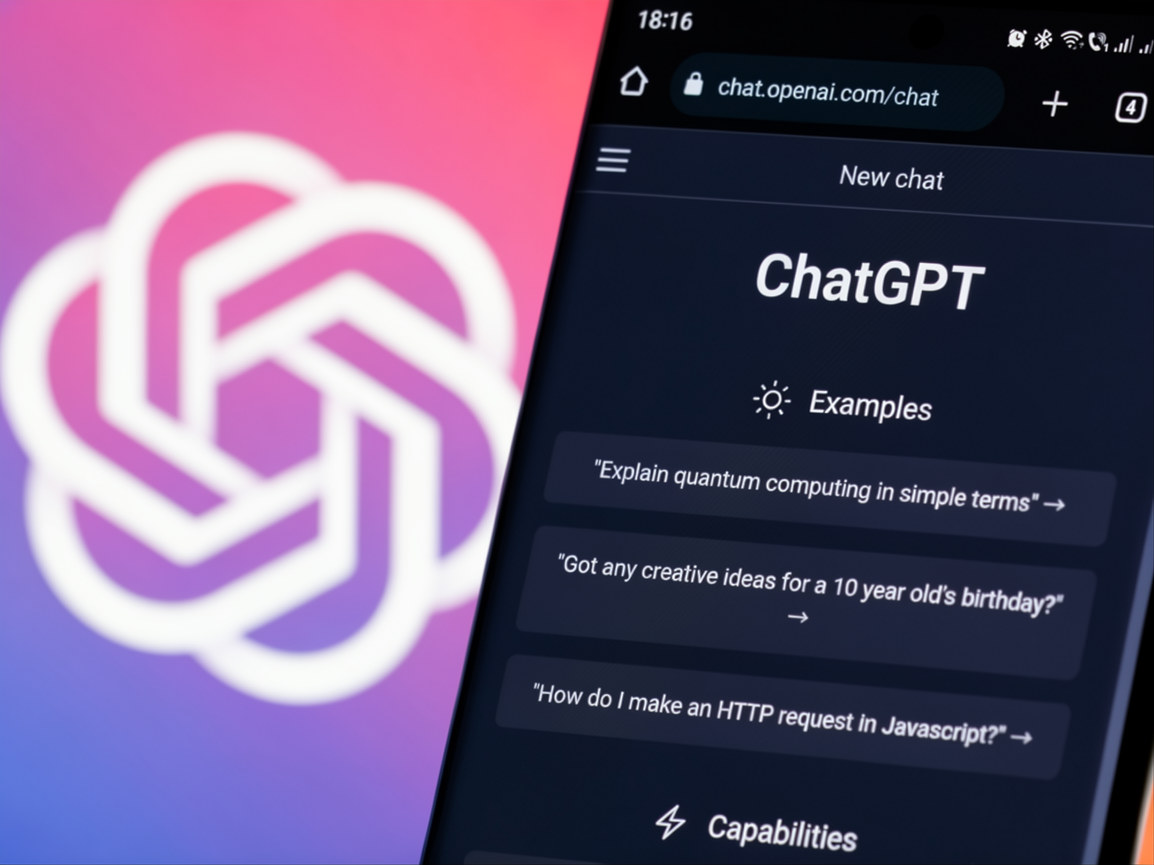
Editorial draft for review. This is a practical perspective, not published research.
Confirm availability rather than assuming it
Advertising products can differ by country, account eligibility and stage of rollout. Before planning a ChatGPT campaign, verify current availability, policies and purchasing options directly with the platform or an authorised provider. Do not treat an announcement, screenshot or third-party prediction as confirmation that your business can buy a particular placement. Until the details are confirmed, build a readiness plan rather than a budget based on invented prices.
Make the offer understandable without context
A person encountering your business in a new setting may not know your terminology or reputation. Explain the problem you help solve and what your service includes. Check that the destination page supports the same claim as the proposed advertising. For professional services, distinguish educational material from individual advice and make any relevant eligibility or geographical limits clear.
Keep paid visibility separate from GEO
Paid placement and organic representation in an AI-generated answer are different activities. A campaign should not be described as a way to purchase editorial authority or guarantee citations. Decide which objective you are assessing and how you will evaluate it. For paid activity, consider the quality of resulting enquiries and the costs you can actually verify, rather than borrowing performance assumptions from another channel.
Prepare a test you can learn from
If the channel becomes available and appropriate, agree a limited experiment with clear review criteria. Record the offer, audience, spend and destination used. Make sure someone can respond to enquiries and that tracking respects applicable privacy requirements. Stop or revise the test if the evidence does not support continuing. The aim is an informed decision, not participation for its own sake.
Share this perspective